 Knowledge Experience Compassion Service







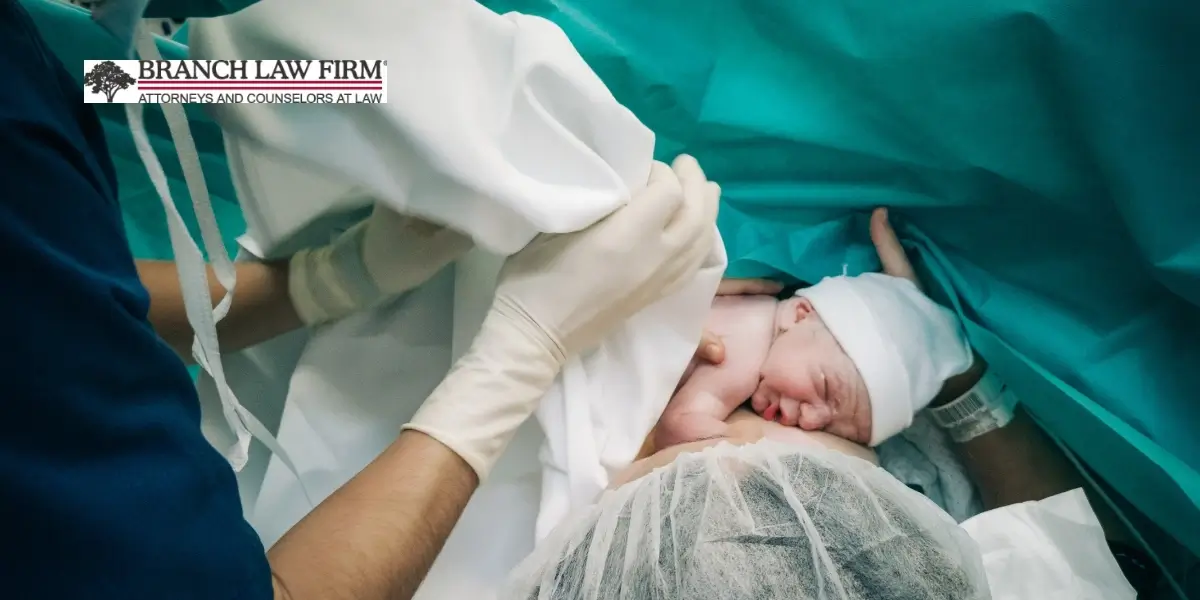
Deliveries assisted by forceps can save lives in high-risk births. Still, when they are improperly performed, they can lead to severe yet avoidable harm. Forceps delivery injuries in New Mexico frequently involve trauma to both the mother and the newborn, fostering lasting medical, financial, and emotional challenges. Familiarizing yourself with how these injuries take place and the legal rights you have as a family is essential.
Forceps-Assisted Delivery: What Is It?
A delivery that is assisted by forceps involves a medical professional who applies a tailored instrument around the baby’s head to ease the baby through the birth canal during contractions. This type of procedure is commonly used when:
- Labor has been stalled.
- The baby shows signs of distress.
- The mother cannot effectively push.
- Immediate delivery is necessary for safety purposes.
When carried out with proper timing and technique, forceps can be of great help. However, when used prematurely or improperly, they can lead to severe birth injuries
Common Causes: Forceps Delivery Injuries
While not all forceps delivery injuries stem from negligence, many transpire because of avoidable medical mistakes. Examples of such can include:
- Using unnecessary force or traction
- Improper placement of the forceps
- Trying to use forceps when the baby is not properly positioned
- Underestimating the position, size, or orientation of the baby’s head
- The failure to proceed to an emergency C-section in a timely manner
- Faulty fetal monitoring
- Incorrect assessment of the size of the mother’s pelvis
Errors such as these can lead to severe harm to the mother and the infant, which often requires lifelong care. In fact, over 2,000 babies were born preterm in 2024.
The Types: Forceps Delivery Injuries
Injuries related to forceps can vary greatly in severity, ranging from minute marks to life-changing effects. Some of the most frequently seen injuries can include:
- Maternal injuries, such as perineal or vaginal tears, damage to the pelvic floor, and uterine ruptures.
- Injuries to infants, such as brain bleeding, fractures of the skull, and seizures.
A majority of these injuries are avoidable with adequate technique, monitoring, and decision-making. With that said, according to data from 2025, New Mexico has an infant mortality rate of nearly 5 per 1,000 births. Such consistency highlights how important a birth injury claim can be.
When It Becomes Medical Malpractice: Forceps Injuries
To seek a New Mexico birth injury claim, the affected party must demonstrate that the provider did not meet the baseline standard of care, and this shortcoming directly caused harm. Liability can exist if:
- A provider deployed forceps when they were not medically necessary.
- They used excessive force.
- They underestimated the position of the baby.
- They failed to acknowledge fetal distress signals.
- They did not transition to a C-section in a timely manner.
- They did not collect informed consent.
Medical malpractice cases associated with forceps deliveries are extremely intricate. They frequently require knowledgeable testimony to highlight mistakes and establish causation.
Keep Your Baby and Claim Safe: Hire a Birth Injury Lawyer
Deciding to hire a birth injury lawyer can greatly enhance your case. Birth injury litigation is one of the most complicated areas of personal injury law. An experienced attorney can:
- Collect and study fetal monitoring records.
- Communicate with medical professionals in neonatology and obstetrics.
- Reconstruct what occurred during both labor and delivery.
- Estimate long-term developmental and medical needs.
- Handle all correspondence with insurance providers.
- Construct a solid case for deserved compensation.
Families should not have to handle this process by themselves, especially when long-term care is required.
Forceps Delivery Injuries: Possible Compensation
Depending on the seriousness of the injury and its lasting effects, compensation can include:
- Both current and future medical expenses
- Rehabilitation and therapy
- Tailored medical devices
- Reduced earning capacity if an injury results in lifelong disability
- Emotional turmoil
- Impaired quality of life
- General pain and suffering
- In some cases, the permanent costs of care
In 2025, there was one instance of medical malpractice for every 14,000 citizens in New Mexico. The state does not enforce caps on non-financial damages in cases of medical malpractice, highlighting the importance of experienced legal representation. Typically, cases are conducted at the Second Judicial District Court, located at 100 Baca St. SW, Albuquerque, NM 87102.
FAQs
What Is the Most Common Damage in Forceps Delivery?
One of the most common injuries caused by forceps delivery is nerve damage in the baby’s face. This can lead to both temporary and permanent paralysis in the face. Soft-tissue injuries and facial bruising to the infant are also common, especially when excessive and unnecessary pressure is used. Our firm can pursue full compensation for this and any other injuries your child has suffered.
What Are the Injuries Caused by Forceps?
Forceps can cause:
- Brain bleeds
- Nerve damage
- Injuries to the eyes
- Seizures
- Fractures to the skull
- Other developmental impairments in the infant
Additionally, mothers can suffer from tissue tears, injuries to the pelvic floor, and postpartum hemorrhage. Of course, some injuries can heal in a timely manner. Others, however, can carry consequences felt for a lifetime.
What Is the Hardest Element to Prove in a Medical Malpractice Case?
In medical malpractice cases, the hardest element to prove is usually causation. Birth injury laws mandate the connection of negligence by the provider, not complications that naturally come up during childbirth, to the direct cause of an injury. Birth injury cases usually require in-depth knowledge and testimony to highlight this specific link.
What Is the Negligence Rule in New Mexico?
In New Mexico, there is a pure comparative negligence rule. In instances of medical malpractice, this means that compensation can be reduced based on the level of responsibility held by the plaintiff. That said, in birth injury claims associated with newborns, this is hardly ever applicable. Healthcare professionals are held to a specific standard of care that is required of competently skilled providers.
Contact a New Mexico Birth Injury Attorney at Branch Law Firm
If your child experienced harm because of the use of forceps, you are entitled to support and answers. Reach out to Branch Law Firm today to speak with a talented lawyer about forceps delivery injuries in New Mexico. We can study your case, clarify your legal options, and help you seek the compensation and justice you deserve.